
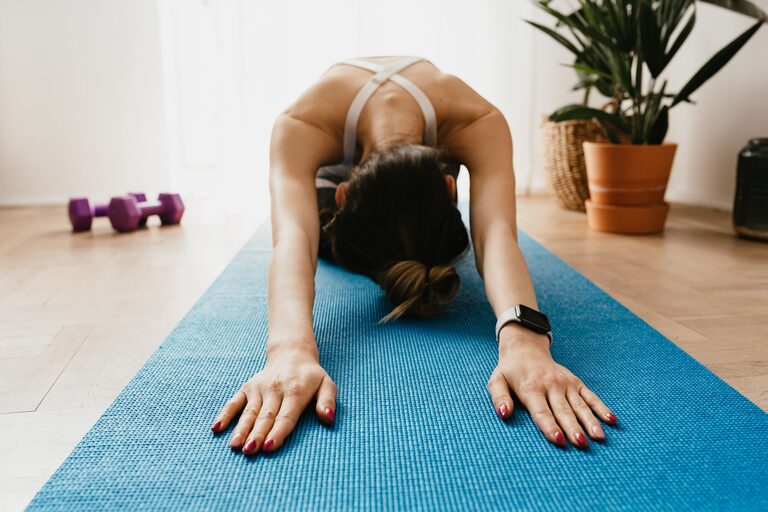
Stretching is a simple yet powerful practice that can enhance your flexibility, improve circulation, and help ease muscle tension. You don’t need special equipment or a gym membership to get started—just a little space at home and a few minutes each day.
If you’re new to stretching, this beginner’s guide will walk you through the basics, provide easy routines, and share helpful tips to make stretching a regular, enjoyable part of your day.
Why Stretch at Home?
Stretching at home is convenient and accessible. You can fit it into your schedule whenever it works best, such as in the morning to wake up your body or in the evening to relax after a busy day. Stretching helps reduce muscle stiffness, improve posture, and may even decrease the risk of injury.
Starting with gentle stretches also makes it easier to develop a consistent habit. Plus, you can tailor your routine to focus on areas that feel tight or need extra attention.
Key Benefits of Stretching
– Improves flexibility and range of motion: Regular stretching helps your joints move more freely.
– Enhances blood circulation: Stretching increases blood flow to muscles, which promotes recovery.
– Reduces muscle tension and stress: It can help release feelings of tightness and promote relaxation.
– Supports better posture: Stretching muscles that get tight from sitting can improve your overall alignment.
– Prepares your body for exercise: Stretching can warm up muscles before physical activity.
Getting Ready: What You Need
– Comfortable clothing: Wear something stretchy and breathable.
– A yoga mat or soft surface: This is optional but helpful, especially for floor stretches.
– Water bottle: Stay hydrated during your routine.
– Timer or clock: To keep track of how long you hold each stretch.
Remember, stretching should never be painful. You want to feel a gentle tension, not discomfort or sharp pain.
Basic Stretching Guidelines
– Move into each stretch slowly and hold it steady.
– Breathe deeply and evenly throughout.
– Hold each stretch for about 15 to 30 seconds.
– Repeat 2 to 3 times per stretch, especially for tighter areas.
– Stretch both sides of your body equally.
– Avoid bouncing or jerky movements to prevent injury.
Beginner-Friendly Stretching Routine
Here’s a simple full-body routine that you can do in about 10 to 15 minutes. Perform these stretches gently and listen to your body.
1. Neck Stretch
– Sit or stand tall.
– Slowly tilt your head to the right, bringing your ear toward your shoulder.
– Hold for 20 seconds, feeling the stretch along the left side of your neck.
– Repeat on the left side.
2. Shoulder Rolls
– Sit or stand with your arms relaxed by your sides.
– Roll your shoulders forward in a circular motion 10 times.
– Then roll them backward 10 times.
3. Chest Stretch
– Stand near a wall or doorway.
– Place your right arm against the wall at a 90-degree angle.
– Slowly turn your body away from the arm until you feel a stretch across your chest.
– Hold for 20 seconds, then switch to the left arm.
4. Cat-Cow Stretch (for the back)
– Start on your hands and knees.
– Arch your back toward the ceiling (cat pose), tucking your chin to your chest.
– Then lower your belly toward the floor and lift your head and tailbone (cow pose).
– Repeat slowly 5 to 8 times, coordinating with your breath.
5. Seated Forward Bend (Hamstrings and lower back)
– Sit on the floor with your legs extended in front of you.
– Slowly reach your hands toward your toes, keeping your back as straight as possible.
– Hold when you feel a gentle stretch at the back of your legs.
– Hold for 20 to 30 seconds.
6. Quadriceps Stretch
– Stand and hold onto a chair or wall for balance.
– Bend your right knee and bring your heel toward your buttocks.
– Grab your ankle with your right hand and gently pull.
– Keep knees close together and hold for 20 seconds.
– Switch legs.
7. Calf Stretch
– Stand facing a wall with your hands placed on it.
– Step your right foot back, keeping it straight and pressing the heel into the floor.
– Bend your left knee slightly and lean forward.
– Hold for 20 seconds, then switch sides.
Tips for Staying Consistent
– Set a regular time: Choose a daily time that fits your routine.
– Start small: Even 5 minutes daily can make a difference.
– Create a peaceful space: Use calming music or dim lighting to help you relax.
– Track your progress: Notice improvements in flexibility or how your body feels.
– Mix it up: Try new stretches or follow online videos to keep things interesting.
When to Be Cautious
If you have any injuries, chronic pain, or health conditions, check with a healthcare professional before starting a stretching program. Always stop if you feel sharp pain, dizziness, or weakness during stretching.
Final Thoughts
Stretching at home is an easy way to nurture your body and mind. With just a few minutes each day, you can enjoy greater flexibility, less tension, and improved overall wellness. Start slow, listen to your body, and make stretching a regular habit that supports your health and relaxation.
Remember, consistency is key. Your body will thank you as you make stretching a part of your daily routine!
About the Author