
Reducing food waste at home is a simple yet impactful way to save money, improve your meal planning, and help protect the environment. Each year, tons of perfectly good food end up in the trash, contributing to unnecessary landfill waste and greenhouse gas emissions. By adopting a few mindful habits, you can make a big difference. Here are some effective strategies to reduce food waste in your household.
Plan Your Meals and Shop Smart
Make a Weekly Meal Plan
Planning your meals for the week helps you buy only what you need. Write down recipes and ingredients before you shop to avoid impulse purchases that might go unused. This approach can also inspire healthier eating habits.
Create a Detailed Grocery List
Based on your meal plan, prepare a list and stick to it when shopping. This prevents buying duplicates or items you already have at home. Using apps can help keep your list organized and even remind you of what’s in your pantry.
Store Food Properly
Understand Food Storage Basics
Knowing how to store fruits, vegetables, dairy, and leftovers correctly extends their shelf life. For example, some fruits like apples release ethylene gas, which can speed up ripening of nearby produce. Keeping sensitive items in separate containers or crisper drawers helps them last longer.
Use Airtight Containers
Transferring leftovers and opened ingredients to airtight containers prevents exposure to air and moisture, slowing spoilage. Label containers with dates to keep track of freshness.
Manage Portions and Use Leftovers Creatively
Serve Smaller Portions
Start with smaller servings to avoid uneaten food on plates. People can always take seconds if they’re still hungry. This simple change can significantly reduce waste from uneaten meals.
Repurpose Leftovers
Get creative with leftovers by turning them into new dishes. For example, roast vegetable scraps can become soup stock; day-old bread can be toasted for breadcrumbs or croutons; excess cooked rice can be fried with vegetables and eggs.
Practice First-In, First-Out (FIFO)
Organize your pantry and fridge so that older items are in front and used before newer ones. Rotate your groceries when restocking to ensure nothing gets forgotten at the back and spoiled.
Freeze Excess Food
Many foods freeze well and can be saved for later. Freeze portions of cooked meals, bread, fruits, and even dairy like cheese to prolong their usability. Just be sure to label everything with dates to keep track.
Compost Food Scraps
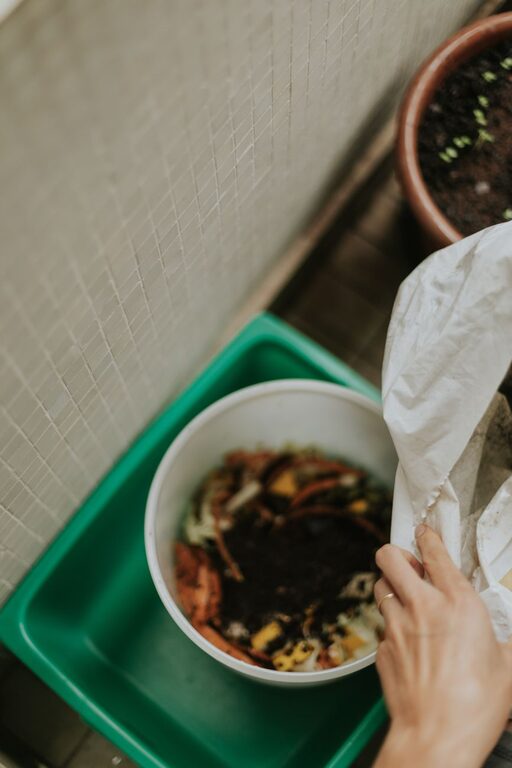
Not all food scraps need to go in the trash. Composting vegetable peels, coffee grounds, and eggshells turns waste into nutrient-rich soil for your garden. This method reduces landfill waste and supports sustainable gardening.
Regularly Check Your Inventory
Set a weekly reminder to review your fridge and pantry. Use or freeze items approaching their best-before dates to avoid throwing them away. This habit helps you stay aware of what you have and prevents buying excess supplies.
Educate Your Household
Encourage everyone at home to be mindful of food waste. Share tips, involve them in meal planning, and explain how reducing waste benefits both your family budget and the planet.
—
By implementing these habits, you’ll reduce food waste, save money, and contribute to a healthier environment. Small changes in how you shop, store, and cook can add up to a big positive impact over time. Start today and enjoy a more sustainable kitchen!
About the Author