
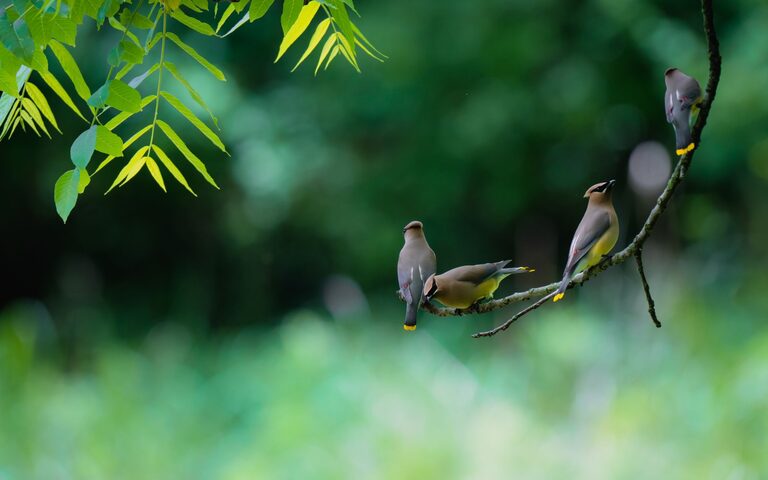
Birdwatching is a relaxing and rewarding hobby that anyone can enjoy, especially when you start right in your own backyard. Whether you live in the city or the countryside, observing birds can bring a fresh appreciation for nature and provide peaceful moments throughout your day. If you’re new to birdwatching, this guide will help you get started with simple steps to attract birds, identify species, and make the most of your backyard birdwatching experience.
Why Birdwatching in Your Backyard?
Backyard birdwatching is accessible and requires minimal equipment. You don’t need to travel far or spend a lot of money to enjoy the variety of birds that visit your yard. It’s also an excellent way to connect with nature, reduce stress, and engage in a mindful outdoor activity. Plus, watching birds can be educational for all ages.
Getting Started: What You’ll Need
Before you begin, gather a few basic items to make your birdwatching easier and more enjoyable.
Essential Equipment
– Bird feeder: Attract birds by providing food that suits local species.
– Birdbath: Fresh water will encourage birds to visit for drinking and bathing.
– Field guide or app: Helps you identify birds by appearance and song.
– Notebook or journal: Record the birds you see and any interesting behaviors.
– Binoculars (optional): A pair of binoculars can help you see birds more clearly, but you can start without them.
How to Attract Birds to Your Backyard
Creating a welcoming environment is key to successful birdwatching. Here are some tips to help you invite a variety of birds.
Provide Food
Different bird species prefer different types of food. Consider these options:
– Seeds: Black oil sunflower seeds attract many common birds like finches, chickadees, and cardinals.
– Suet: Great for woodpeckers and nuthatches, especially in colder months.
– Nectar: Hummingbirds love nectar; you can use a specialized hummingbird feeder.
– Fruit: Offer slices of apple, orange, or berries to attract orioles and other fruit-eating birds.
Offer Water
Birds need fresh water daily, especially during hot or dry weather. A birdbath or shallow dish works well. Keep it clean to prevent diseases.
Provide Shelter and Nesting Sites
Birds like places to hide, rest, and nest. You can:
– Plant native shrubs, trees, and flowers.
– Add birdhouses suitable for local species.
– Leave leaf litter or brush piles for ground-feeding birds.
Keep Your Yard Safe
Avoid pesticides and dangerous chemicals that can harm birds. Place feeders and baths in safe spots, away from predators like cats.
Identifying Birds: Tips for Beginners
Learning to identify birds adds a lot to your birdwatching experience. Here are easy ways to start:
Focus on Key Features
– Size and shape: Is the bird small and round or large and elongated?
– Color patterns: Look for distinctive markings, stripes, spots, or color patches.
– Behavior: Does it hop on the ground, cling to tree trunks, or hover near flowers?
– Songs and calls: Listen for different bird sounds; apps and websites can help identify birds by their calls.
Use Resources
– Field guides: Books with pictures and descriptions tailored to your region.
– Bird identification apps: Many apps let you enter features or play bird songs to help you identify species.
– Local birding groups: Join online forums or community groups to share sightings and ask questions.
Making the Most of Your Birdwatching Time
Here are some practical tips to enhance your backyard birdwatching:
Be Patient and Observant
Birds may take time to discover new feeders or baths. Watch quietly from a distance to avoid scaring them away. Early morning or late afternoon is often the best time to see birds.
Keep a Birdwatching Journal
Note dates, species, weather conditions, and behaviors you observe. Over time, you’ll notice patterns and seasonal changes.
Photograph or Sketch Birds
If you enjoy photography or drawing, try capturing images or sketches of the birds you see. It’s a fun way to remember and share your sightings.
Respect Wildlife
Avoid disturbing nests or handling birds. Enjoy photography and observation responsibly.
Common Backyard Birds to Look For
Depending on your region, here are some birds that commonly visit backyards in the United States:
– Northern Cardinal
– American Robin
– Blue Jay
– Mourning Dove
– Black-capped Chickadee
– House Finch
– Downy Woodpecker
– Dark-eyed Junco
Final Thoughts
Backyard birdwatching is a wonderful way to connect with nature and unwind. By providing food, water, and shelter, you can attract a variety of birds and learn about their fascinating behaviors. Start simple, be patient, and enjoy the peaceful moments with your feathered visitors.
Happy birdwatching!
About the Author