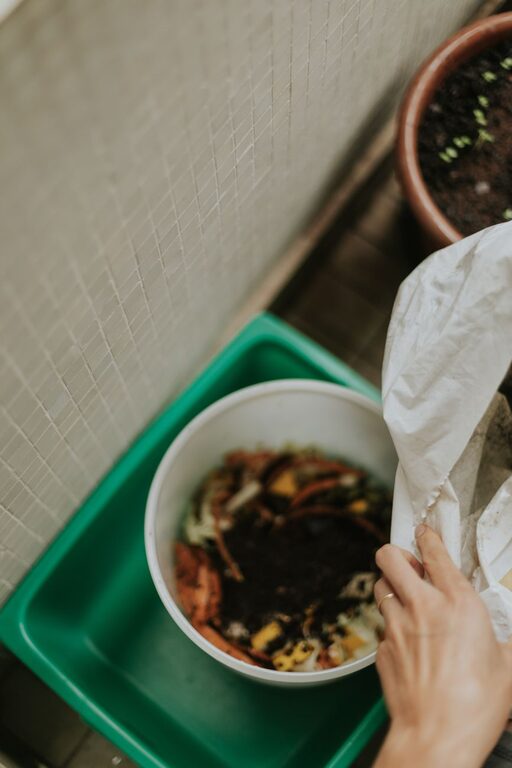
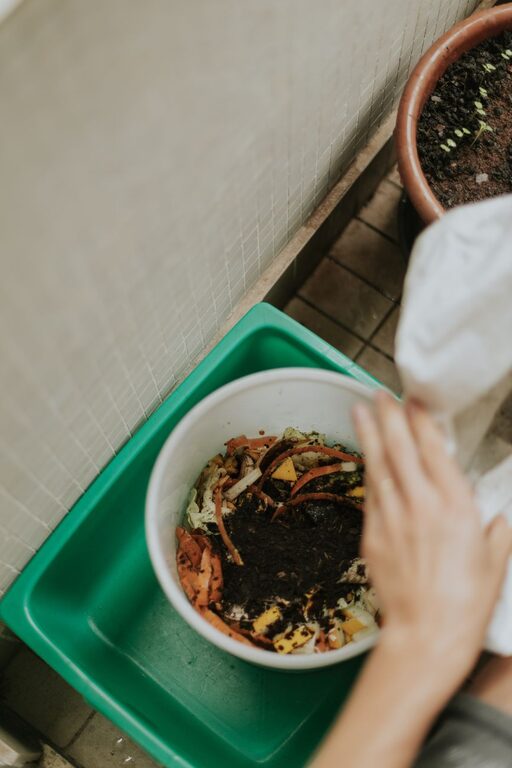
Composting at home is a wonderful way to reduce kitchen and garden waste, enrich your soil, and contribute to a healthier environment. Whether you have a spacious backyard or a small balcony, composting can fit your lifestyle and help you create nutrient-rich soil for your plants. If you’re new to composting, this guide will walk you through beginner-friendly tips to get you started with confidence.
What Is Composting and Why Start at Home?
Composting is the natural breakdown of organic materials like food scraps and yard waste into a dark, crumbly substance known as humus. This humus improves soil structure, retains moisture, and supplies essential nutrients to plants.
Starting composting at home helps:
– Reduce household waste and landfill use
– Lower your carbon footprint
– Improve garden soil naturally and economically
– Encourage beneficial soil organisms like earthworms
Choosing the Right Composting Method
There are several methods to compost at home, and selecting the right one depends on your available space, time, and what materials you plan to compost.
1. Backyard Compost Bin or Pile
If you have a yard, a compost bin or a simple pile is easy to set up. You can purchase a bin or build your own using wood pallets or wire mesh.
2. Tumbler Composters
These are closed containers that can be rotated to mix compost materials more easily. They speed up the composting process and reduce odors.
3. Worm Composting (Vermicomposting)
Ideal for small spaces or indoors, vermicomposting uses worms to break down food waste quickly. It requires a special worm bin and careful attention to moisture and temperature.
4. Bokashi Composting
A fermentation process that uses a special bran to break down kitchen waste, including meat and dairy, which are usually avoided in traditional composting. This method requires a sealed container.
Getting Started: What to Compost
Not all organic materials are suitable for composting. Here’s a simple list to guide you:
Greens (Nitrogen-rich materials)
– Fruit and vegetable scraps
– Coffee grounds and tea bags
– Fresh grass clippings
– Plant trimmings
Browns (Carbon-rich materials)
– Dry leaves
– Straw or hay
– Shredded newspaper or cardboard (non-glossy)
– Sawdust from untreated wood
Avoid composting
– Meat, bones, dairy, and oily foods (except for Bokashi composting)
– Diseased plants
– Pet waste
– Treated wood or coal ash
Beginner Tips for Successful Composting
1. Balance Greens and Browns
A good compost pile needs a balance of green (nitrogen-rich) and brown (carbon-rich) materials. Aim for roughly 2 to 3 parts brown to 1 part green. This balance helps the microorganisms break down materials efficiently.
2. Chop or Shred Materials
Chopping scraps into smaller pieces increases the surface area and speeds up decomposition. For example, cut vegetable scraps or shred leaves before adding them to your pile.
3. Maintain Moisture
Your compost should be moist like a wrung-out sponge. Too dry, and decomposition slows; too wet, and it can smell bad. Add water if it’s dry, or add more brown materials if it’s too wet.
4. Turn the Pile Regularly
Aerating the compost by turning it every 1-2 weeks introduces oxygen, which helps microbes work faster and reduces odors. Use a garden fork or a compost aerator tool.
5. Be Patient
Composting can take anywhere from a few weeks to several months, depending on conditions like temperature, materials, and how often you turn the pile. Finished compost is dark, crumbly, and smells earthy.
6. Location Matters
Place your compost bin or pile in a convenient location that is shaded, well-drained, and easily accessible. Avoid placing it too close to your home to minimize any odor concerns.
Troubleshooting Common Composting Problems
– Foul odor: Usually caused by excess moisture or too many green materials. Add more browns and turn the pile to aerate.
– Pile not heating up: May indicate a lack of greens or the pile is too small. Add nitrogen-rich materials and ensure it’s large enough (about 3 feet wide by 3 feet tall).
– Pests or rodents: Avoid adding meat, dairy, or oily foods, and keep the bin covered or secured.
– Slow decomposition: Chop materials finer, turn more often, and ensure proper moisture.
Using Your Finished Compost
Once your compost is ready, you can:
– Mix it into garden beds to improve soil fertility
– Use it as mulch around plants to retain moisture and suppress weeds
– Add it to potting mixes for container plants
– Spread it on lawns as a natural fertilizer
Final Thoughts
Starting composting at home can be a rewarding and eco-friendly project. With a little patience and regular care, you’ll create rich compost that will benefit your garden and the planet. Remember, there’s no one “right” way to compost; experiment with methods and materials to see what works best for you.
Happy composting!
About the Author